
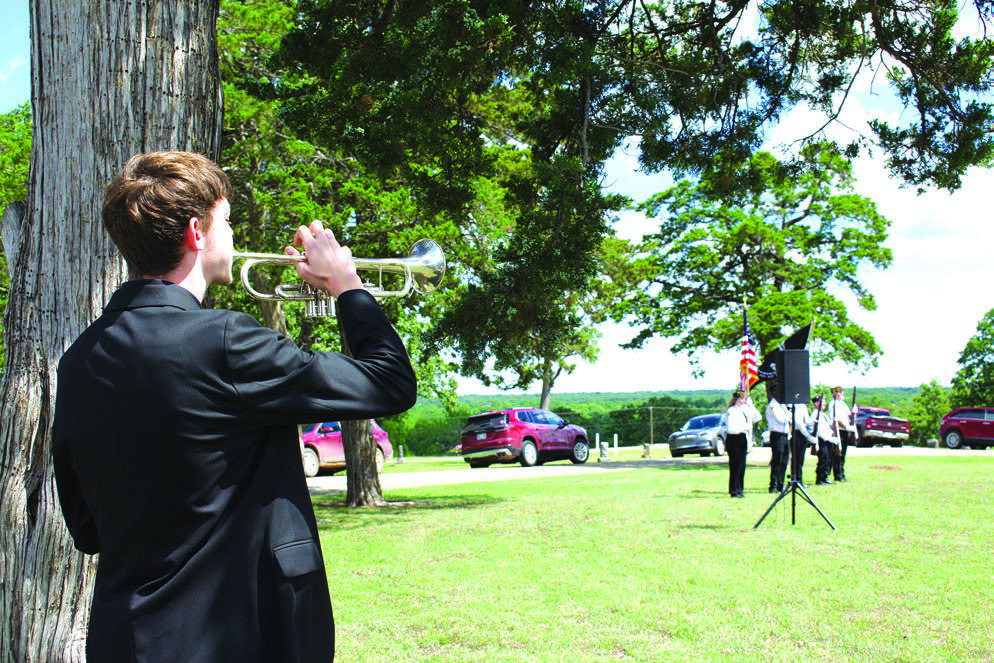
In a small country cemetery located in between Chandler and Davenport, a small group of volunteers gathers early on a cloudy Saturday morning. They joke around and share stories about friends and what they did throughout the week.
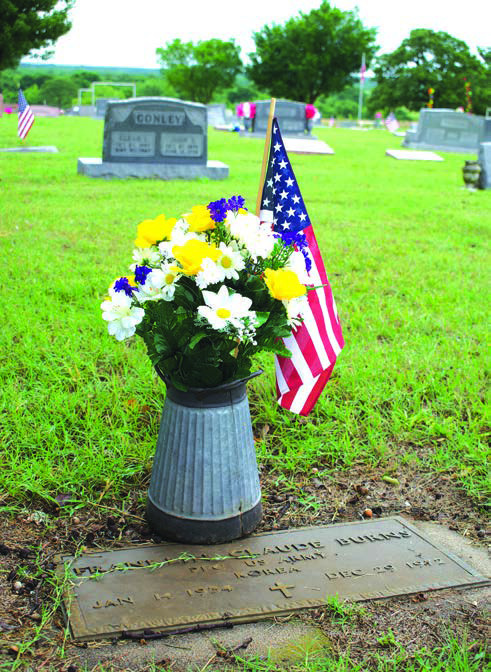
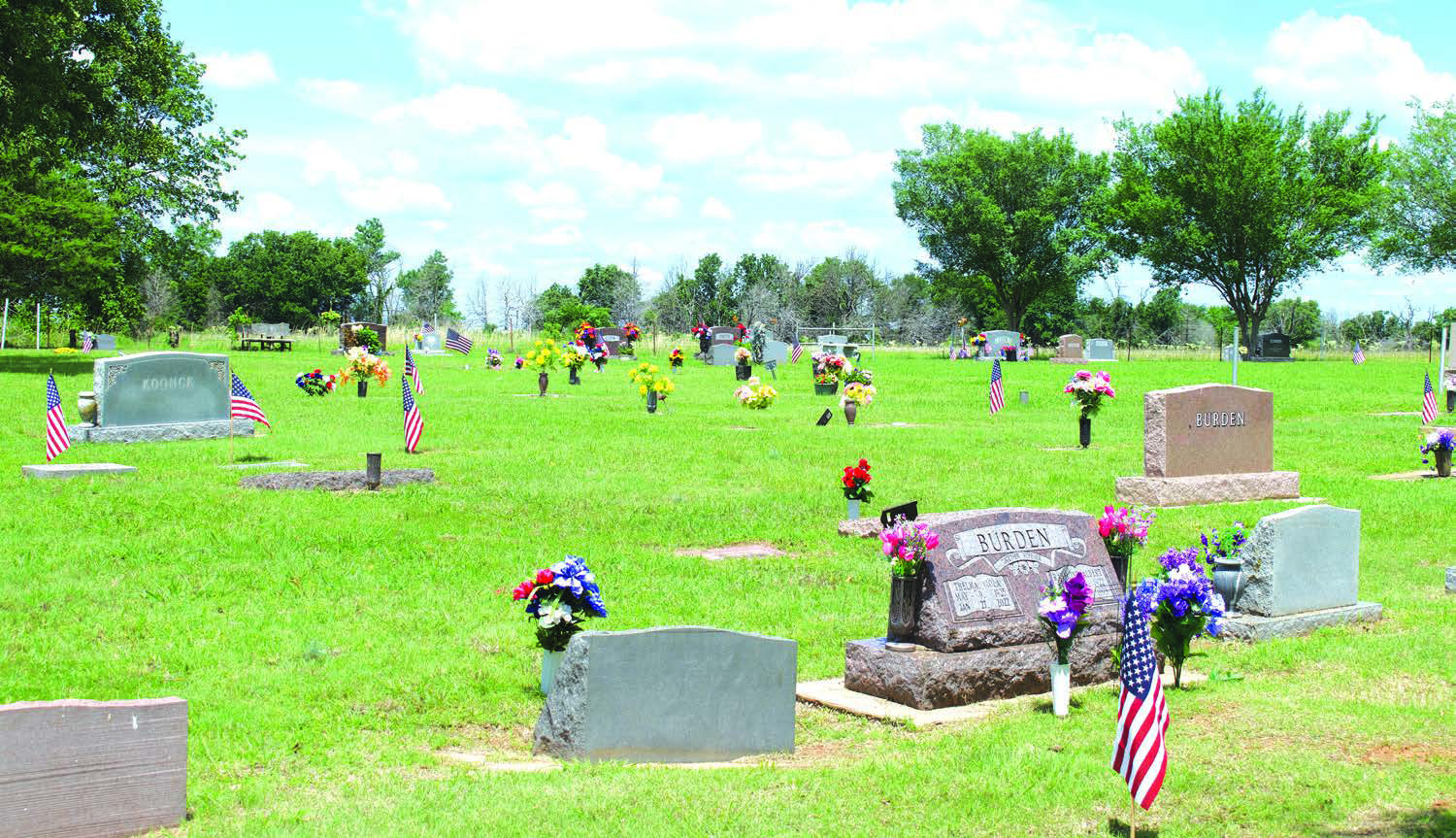
They stand next to a box of flags. Upon looking out across the small cemetery that’s been around since before Oklahoma was a state, a sea of flags can be seen blowing in the breeze.
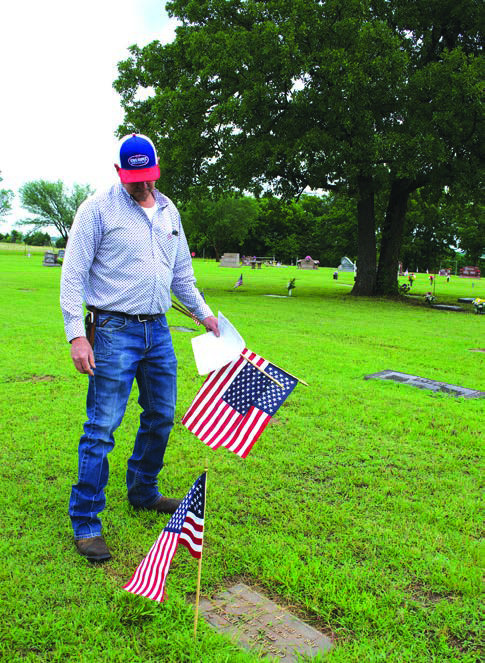
Jimmie Kalka, a local farmer and owner of a steel building company, gets riffed by the others for showing up an hour earlier and putting out most of the flags himself. He joked that with the rain that morning, he couldn’t do anything else, so decided to get a head start. Granted, there were still a few graves that were missing flags. They were all waiting on another member of the group -- Lee Roy Kalka -- to bring a list and map of the graves to finish their task.
The group was the board of New Zion Cemetery. And some of them have been doing this for years. Coming out early on the Saturday before Memorial Day to place flags on the graves of veterans.
It’s just one such group in Lincoln County -- there are several others in charge of other small, rural cemeteries. And like those others, the members of this group take quiet pride in their work caring for the cemetery that was established in 1892. Throughout the weekend, they will all take shifts at the pavilion, helping those who visit locate graves or with anything they may need.
As the story goes, New Zion Cemetery and the church were first established by settlers from Kentucky and Tennessee who came to the area around 1891, according to an article published on Sept. 16, 1937 in The Citizen Lincoln County, formerly The Carney Citizen. They decided to build a church on the southeast corner of the farm homesteaded by M.C. Freeman. The first person to be buried there was Mrs. Betty D. Bradshaw, which took place before the first log church was built in the summer and fall of 1892.
According to the article, the church was actively used until 1915. After that, it was mostly only used for various meetings and funeral services before being torn down in the 1930s and replaced with the current rock chapel that still stands on the far southeast side of the cemetery.
While the chapel may no longer be used, the grounds of the cemetery are maintained by the New Zion Cemetery Board, many of whom have most -- if not entire -- families buried there.
And every Memorial Weekend, you’ll find them out, honoring those who gave their lives in service to the U.S. military and keeping this small rural cemetery a place of beauty and peace.