
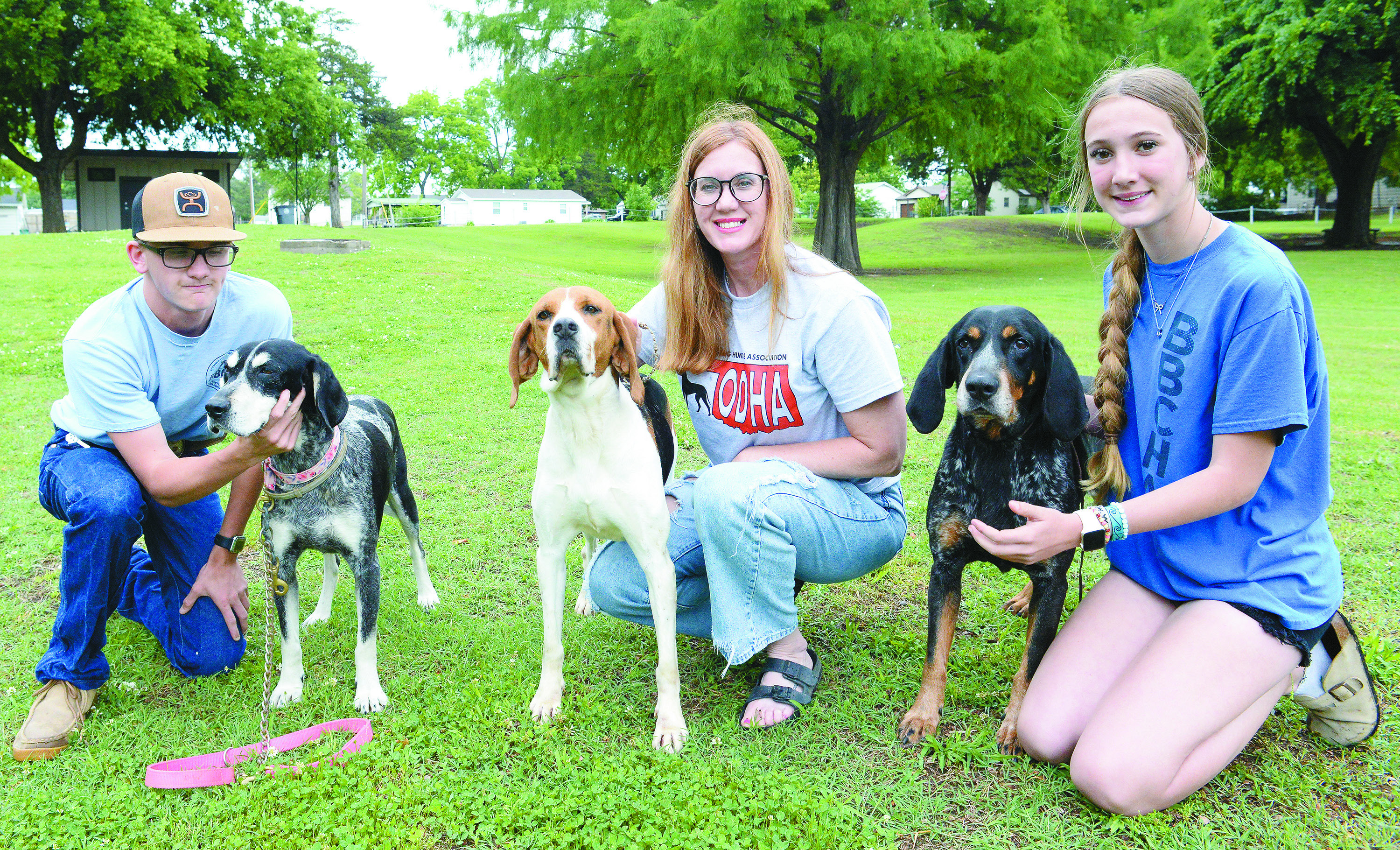
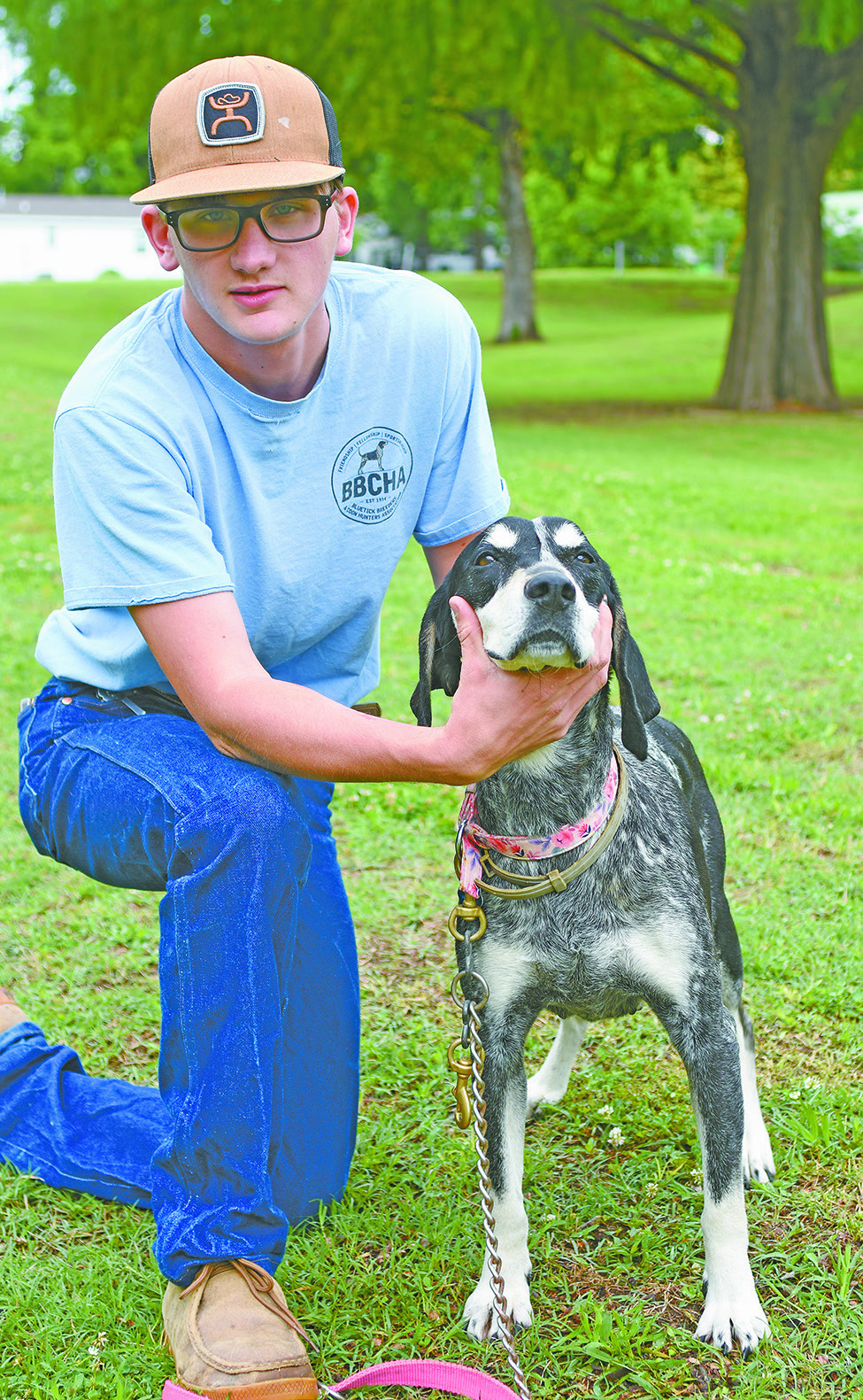
Cole Loveland has been coon hunting since he was three.
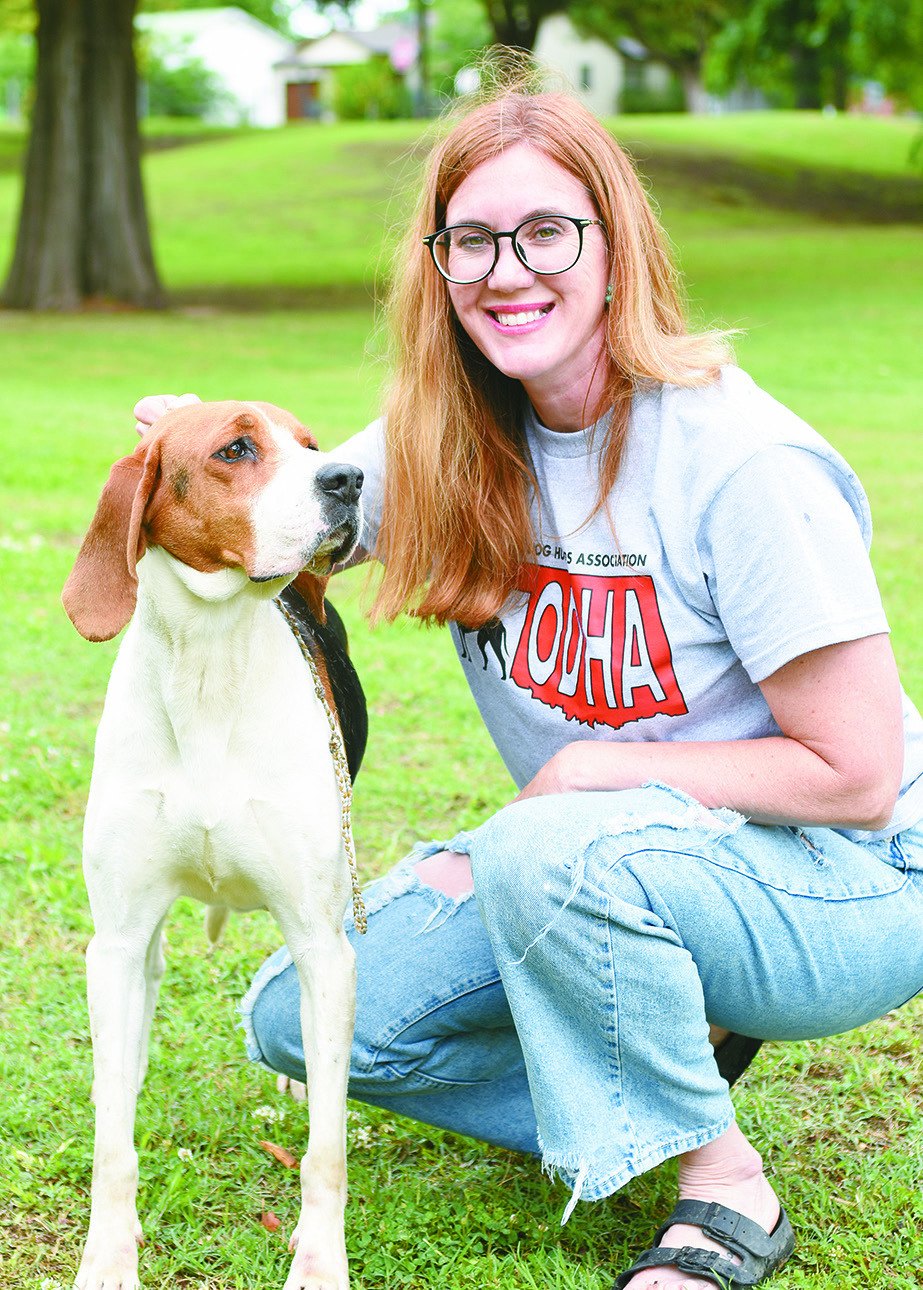
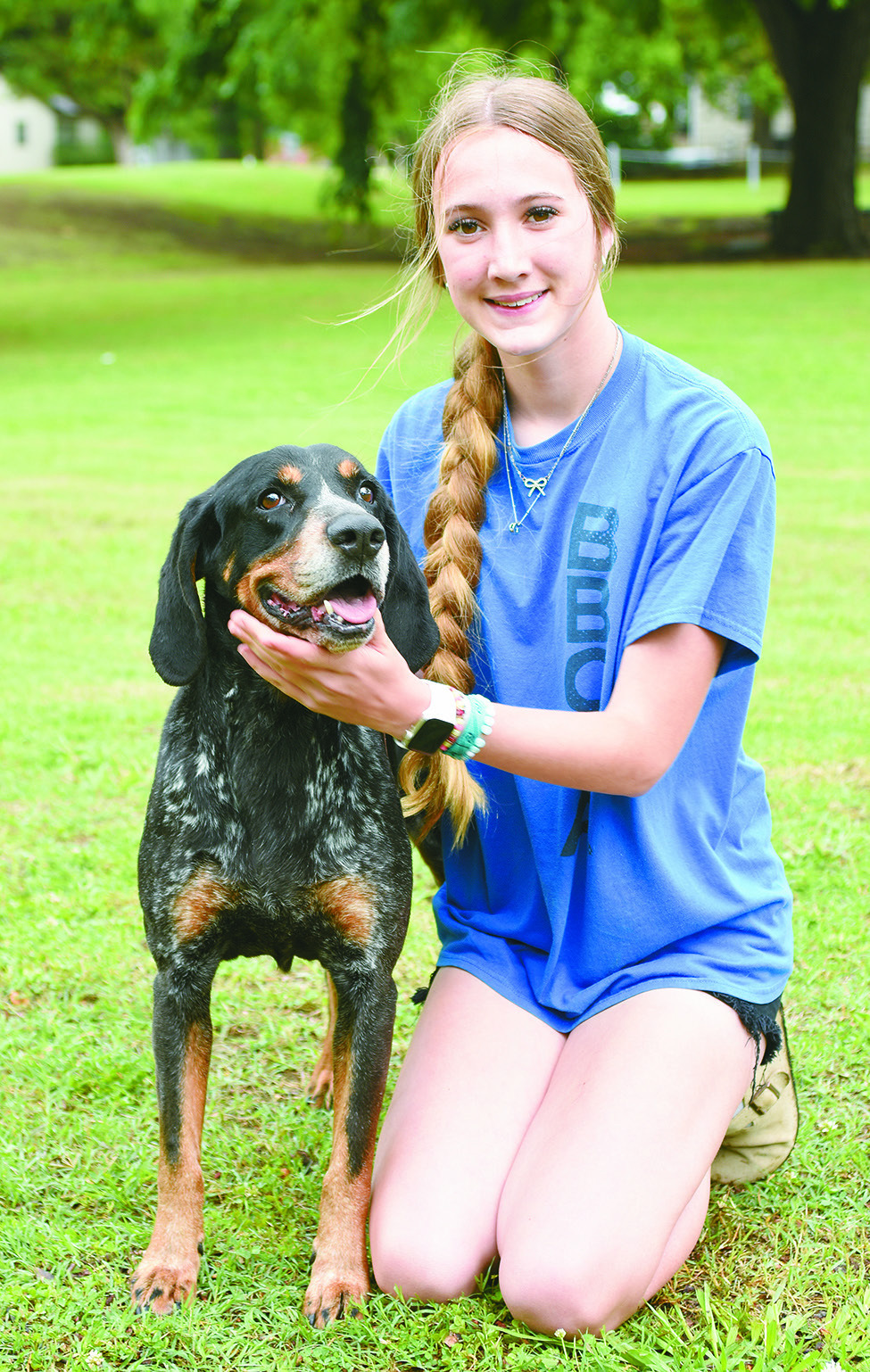
“The rule was he could start when he was out of dippers,” said Jerri Loveland, a lifelong coon hunter and mother of Cole and Ryleigh Loveland.
Cole, now 16, is a sophomore at Meeker High School, and still enjoys coonhunting.
“I always loved it. I like hearing the dogs, I’ve been doing it forever with my grandpa. It’s just something me and him do by ourselves.” Said Cole.
Cole hunts with a 1-year-old bluetick named Betty and travels to hunts across the country. “I’ve hunted at several hunts,” he said.
Cole has hunted all the way from Oklahoma to Michigan and with people “from Canada to Florida.”
For Cole, the best part of coon hunting is the dogs. “If they find one, they start howling and they run after it until it’s up a tree,” he said.
On his most successful night, Cole said he saw “probably 30 to 40,” raccoons.
Though often overlooked today, coon hunting, or ‘raccoonhunting’ hasdeepAmericanroots.Practiced by Native Americans and adopted by early settlers, the tradition evolved over centuries.
Early hunters used foxhounds brought over from Europe, the American South quickly developed its own breeds designed for “treeing” raccoons.
Allegedly, GeorgeWashington himself owned one of the first pairs of coon dogs, a gift from Lafayette.
Bill Caseboldt has been coon hunting for nearly 70 years and lived in chandler for 50.
“I used to hunt a lot by myself, and a lot with friends… We’d all get together and go coon hunting,” said Casebold,. “It’s Just a fun time on the weekend.” he said.
Caseboldt’s favorite part of hunting is the dogs. “It’s all about the dogs,”he said. “The dog tells you everything he’s doing by his voice. He’s got a different bark for when he’s located the coon, for when he’s found the tree it’s gone up, and for when he’s treed the coon.”
Jerri shares that sentiment for her dogs. “We have tracking collars,” she said. “Sometimes dogs run things they’re not supposed to run, like possums, and coyotes, and armadillo, and deer… So we like to keep them safe.”
The Loveland’s own four coon dogs and a French bulldog. Coon hunting is a family tradition for the Lovelands, Jerri began hunting with her father as a child.
Training a coon hound starts young. “It’s just like teaching a kid to read.” Said Jerri, “Some dogs just get it, and some it takes them a little longer… You put [coon scent] on something and let them chase it around,” she explained. “Then you run them with an older dog that knows what they’re doing.”
Coon hunting’s transition from necessity to sport has brought significant changes. Once a community tradition, the pastime now often revolves around high-stakes competitions.
“When I was a kid you could hunt anywhere you wanted to. Back in the ’50s and ’60s,” Caseboldt said. “Now it’s more about money, it’s about the prize now.”
“It’s like any other sport nowadays,” he added. “It’s not uncommon to see $20,000 or $30,000 for a dog.”
Some competitions have prizes up to $50,000, like the United Kennel Club’s “Tournament of champions,” with a prize purse of $250,000.
“Most everything now is registered,” Caseboldt said. “There was a coon market back then, and they sold for a pretty decent price. Back in the ’70s a large coon hide would bring you $30–$40, and with a big dog you’d get close to five coons over four hours. Now they ain’t worth skinning.” he added.
The change has left small-town clubs struggling. In the 80’s Sparks had a coon club with over 100 members from across the country. Clubs now rarely see such large numbers.
“In some of the hunts we go to, you’re lucky if you get 32 hunters in all,” Jerri said. “There’s little clubs like Semonale, and they’re lucky if they get 5 or 10… it’s a dying breed for sure.”
Contributing to the decline is a shortage of available hunting grounds. “There’s less land to hunt on,” she added.
“A dog and a coon can’t follow property lines,” Caseboldt said. “You’re trespassing if you go and try and get your dog!” He explained.
Despite the shifts, the passion remains.
“If I’m out there with my dogs listening to them work, it’s like the rest of my problems don’t exist,” Caseboldt said.
“It’s peace of mind out there.” “It’s fun to listen to them and it’s really fun when they’re on the tree and they are so excited because they know their job and they know they’re doing a good job,” said Jerri The future of coon hunting is waning. . “To me, the sport is a dying sport,” Said Caseboldt. “A lot has changed. A lot of the old hunters have passed away.
“If you’re a coon hunter, you understand what I’m talking about.”
Cole shares that concern. “It’s a dying sport if nobody keeps on doing it,”.
While coon hunting is becoming less and less popular, Cole and his family don’t plan to stop anytime soon.
“I never want to quit,” Said Cole. “It’s part of who I am.”