
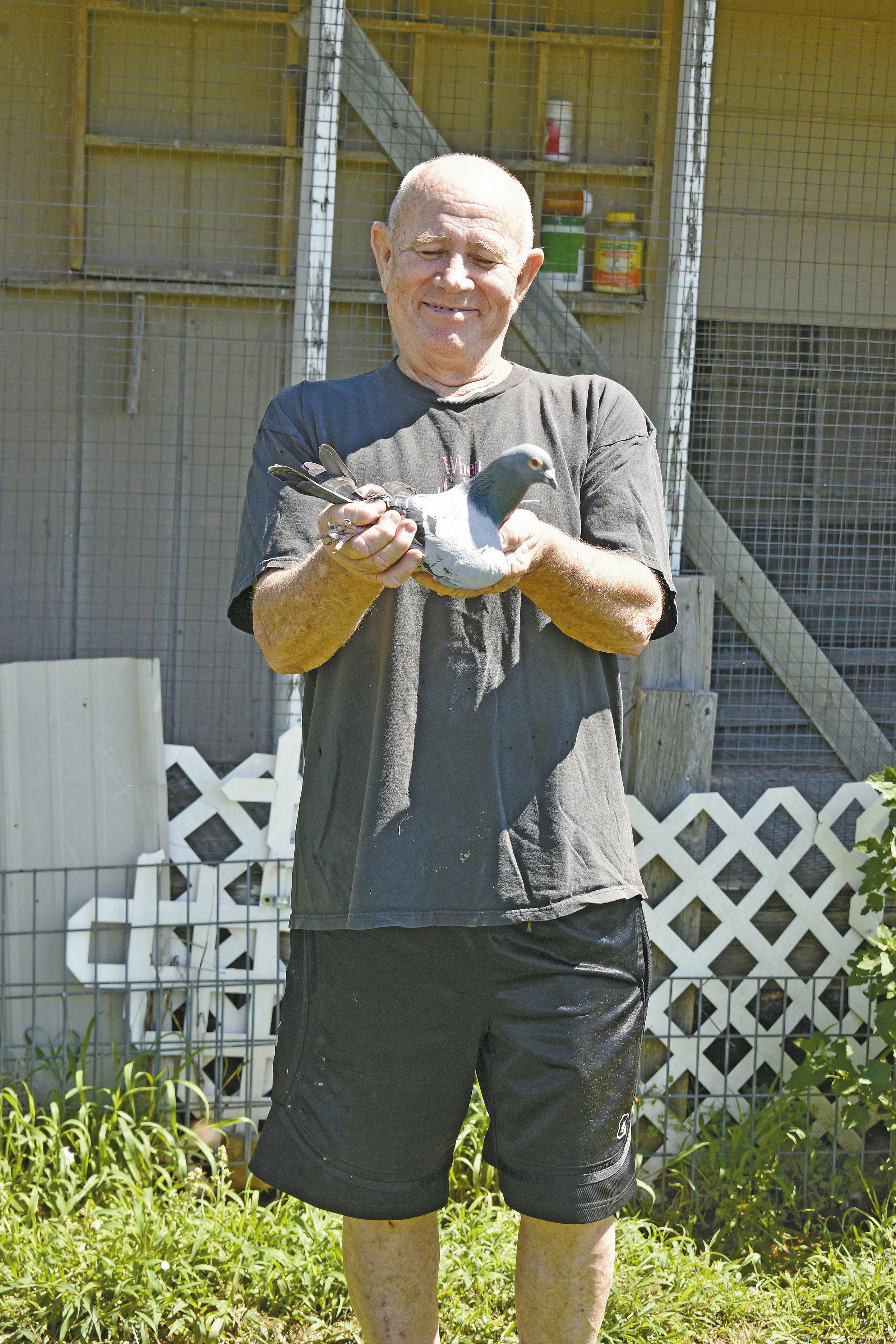
For more than 60 years, Bob Roberson has been sending birds into the sky and watching them race home.
“I’ve done it for over 60 years,” Roberson said, standing beside the mobile home, which 10 years ago he rebuilt as a pigeon loft. “I grew up in Spencer and one day I was riding my horse in the neighborhood and I saw some pigeons circling around in the sky. I saw this guy standing there and went and asked him what they were doing. He said they were homing pigeons and that’s where I got started.”
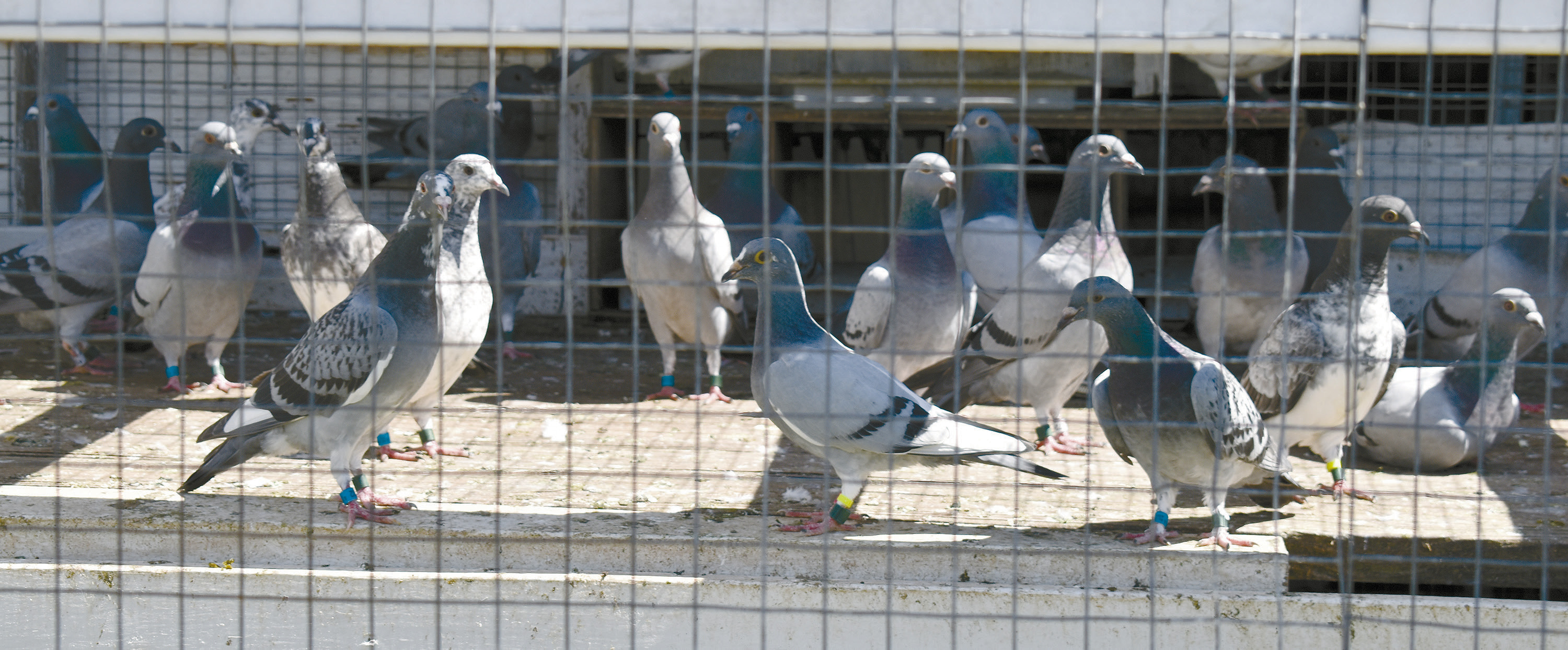
Now based in Chandler, Roberson cares for more than 550 pigeons. Around 150 of them are his own, but most belong to a nationwide system of pigeon racers who participate in a growing version of the sport called “one loft racing.”
“It’s a new concept that’s been around probably 10 years.” Said Roberson.
“None of these birds are mine,They all come from different people. They send them to me as babies. In fact I got 4 this morning, they’re down at the house, I got them from Texas.”
In one loft racing, bird owners from across the country send their young pigeons to a handler like Roberson.
The handler raises, trains, and conditions all the birds equally. When race day comes, Roberson will drive the birds sometimes “100, 200, or even 500 miles away” and release them.
The first bird to return to the loft wins.
“You don’t train a pigeon to come home, you condition its body like a runner,” Roberson said. “
They know how to come home, it’s just an instinct.”
There’s money in it too. “They pay me a fee for doing that… It’s like $200 per bird. The entry fee goes back as prize money,” he said.
“So if you got 300 birds going to that first race then you’ve got $60,000 in prize.”
People buy and sell winning pigeons.
“I know of a guy in Indianna who on three separate occasions has paid $100,000 for a pigeon.” Said Robertson.
The most expensive pigeon was a two-year-old racing bird who sold for $1.8 Million in 2020 to a pigeon racer in China.
Roberson said he trains, and makes money from, about 300 birds.
“I enjoy making money from training them. I get $100 a bird for training them, so if you’ve got 300 birds that’s $30,000.”
Club racing, another form of the sport, is more localized. Roberson leads a group called the East Side Boys and often competes with racers from Ada, Tulsa, Missouri, and Arkansas.
In both types of racing, pigeons are tracked using small bands around one leg. The bands are automatically scanned when the bird steps into the loft, recording their arrival time and owner. In one loft racing, the first to arrive wins. In club races, the birds return to their respective homes and are ranked by speed and distance.
Pigeons birds can fly up to 45 miles per hour, sometimes faster. “You can take them away 200 miles and if they’ve got a little bit of a tail wind they’ll beat you home,” Roberson said.
His fastest bird averaged 76 miles an hour over 400 miles.
“I enjoy it because I’ve just done it for so many years,” he said. Even with the challenges, like racoon attacks, Roberson continues to raise and race pigeons each season. He vaccinates his birds for bird flu and has even sold birds as far away as Hawaii.