
This year’s International Finals Youth Rodeo, which is scheduled for July 10-15, would have marked the 30th year for the event that originated in 1993.
But due to the postponement in 2020 caused by the COVID-19 pandemic, it’s No. 29 instead.
Entries opened on April 1 again this year.
A year ago, for IFYR 28, opening of entries was delayed a month until May 1.
The Shawnee Civic and Cultural Development Authority, which has always overseen the IFYR, inked a five-year contract earlier this year with the IPRA to manage and operate it.
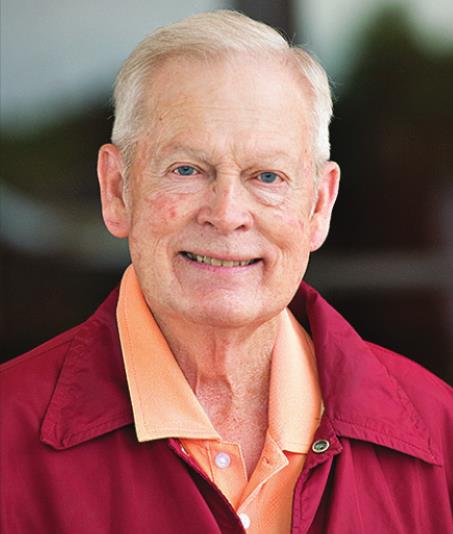
Dale Yerigan, who today serves as the general manager of the IPRA, served on that organization’s board of directors that approved the IFYR in 1993.
In doing so, the IPRA agreed to write rules for some of the events since they are part of the IPRA’s rulebook.
This will be his third consecutive year to oversee and manage the IFYR along with other members of his staff as needed.
A year ago, Yerigan said, “I never dreamed it would grow and turn out like it has.”
Yerigan said just last week that when entries three weeks ago contestants began entering immediately.
It will be interesting to see how many contestants enter this year since it’s the second year after the postponement.
One noticeable change, I think, is this year there only will be four youth directors. There are normally six.
Yerigan and SCCDA Chairman Randy Gilbert mentioned recently that during last year’s IFYR there were not as many interested in signing up to be youth directors though the contestant count was good.
Gilbert likes to call this annual event “a family affair.”
Again, this year official check-in begins at 8 a.m. on Friday, July 8. Contestants must arrive and be checked in by noon on Sunday, July 10. The first performance is at 8 p.m. that evening.
Daily performances will be held at 9 a.m. and 7:30 p.m. Monday through Friday, with the finals that Friday evening. The top 15 contestants in each of 10 events will compete on that Friday night when the 2022 champions will be crowned.
The IFYR has drawn up 1,000 contestants in its history. It consistently has drawn 700-800 contestants from more than 30 states and one or two countries outside the U.S.
Each contestant is assured of competing at least twice in the event or events he or she is entered during the first and second rounds of competition. As I mentioned, the third round, the short go, is for those top 15 in each event after Friday morning’s performance.