
Porker problems
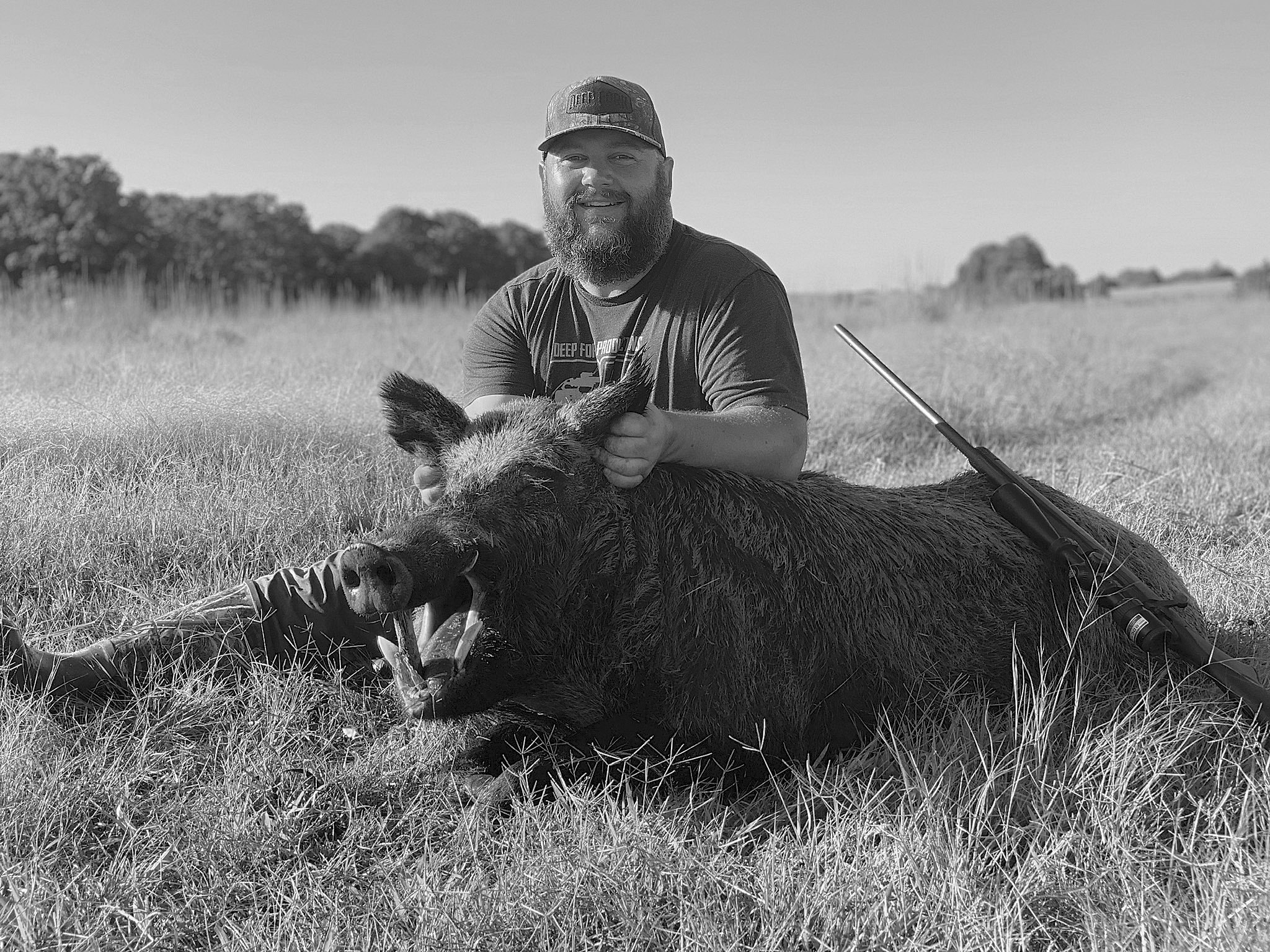
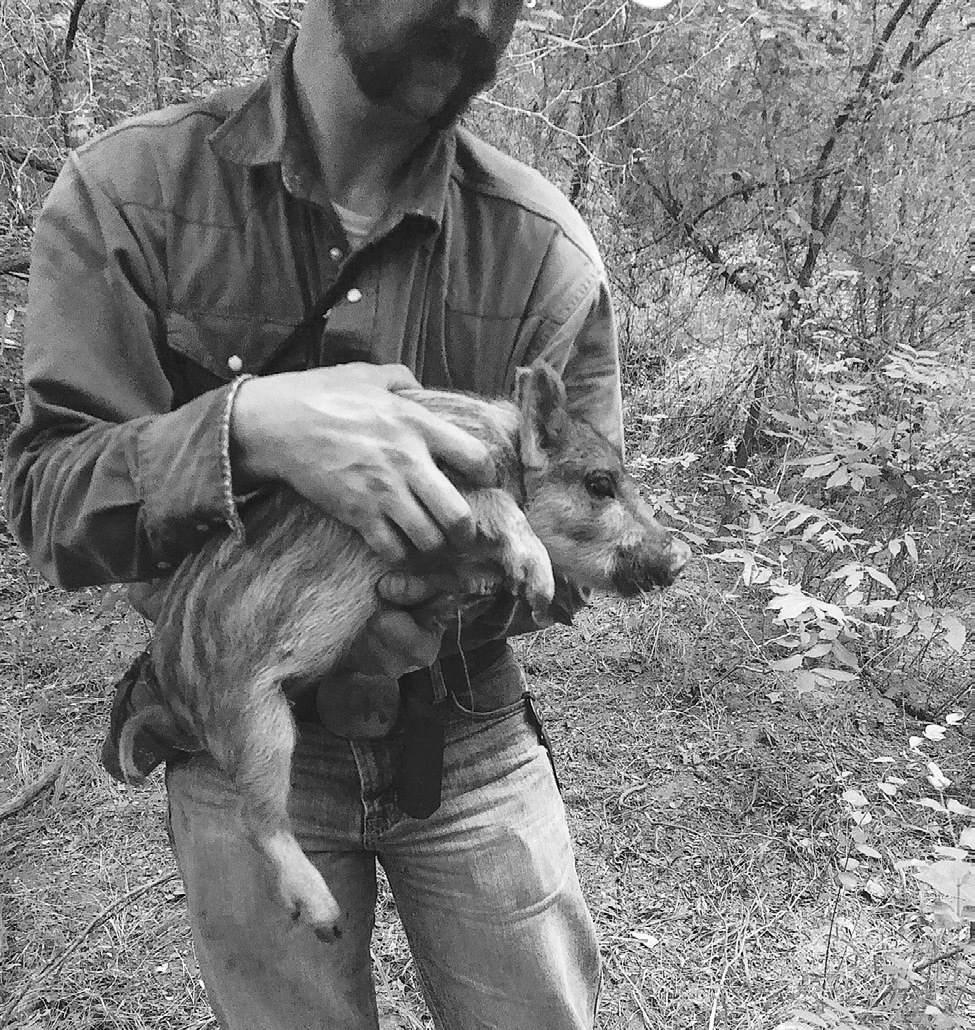
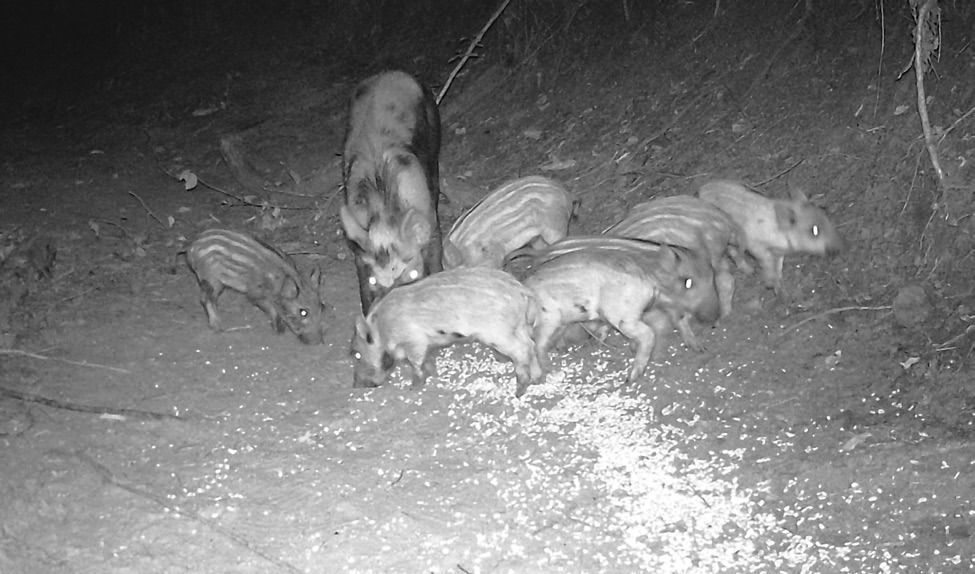
For Lincoln County resident Clu Harkins, there’s a different kind of challenge when it comes to hunting feral hogs.
“I prefer to predator hunt versus going deer hunting or anything like that. Because with predators, you’ve got an animal that’s hunting you just the same as you’re hunting it,” he said.
“So it’s not for the faint of heart, but really, in the long run of it, really what it is, is to help other farmers out there because they’re losing their crops and the hogs will run deer off.”
For himself, Harkins wants to keep them away from his horses as they could easily cripple them. “I mean, there ain’t nothing that you and I can do about it,” he said.
Hunting feral hogs is nothing new; however, the population has been growing over the years to the point that it’s getting difficult to manage. According to the Oklahoma Department of Wildlife Conservation, there are an estimated 600,000 to 1.5 million feral hogs in the state.
According to Dr. Gary Stone with the Oklahoma Department of Agriculture, Food & Forestry, there is about the same amount of commercial pigs as feral swine.
“If we take the upper limit of feral swine, that’s about what our commercial sales are,” he said. In Lincoln County, there’s an average of 13 feral pigs per square mile.
He added that feral pigs are not only increasing in Oklahoma but across the U.S. Typically, they were only found in the south but the population has expanded up into northern states and even Canada.
Stone said it’s kind of a never-ending cycle of attempting to control them. Pigs are smart and adaptive.
They’re also not only a nuisance to farmers but pose a risk to the country’s secure food. He used foot and mouth disease as an example, saying that should there be an outbreak of that particular disease, it would cost the U.S. economy about $2 billion to deal with.
“When we have a pig infected, it really doesn’t cause a lot of problems with them, but they’ll shed that virus… it’s huge viral loads that are being shed,” he said. “That would wreck our beef supply, our exports. It would affect anything with split hooves, basically.”
For Lincoln and Pottawatomie counties, feral hogs mostly cause damage to crops and land.
“It’s definitely running into the hunters and the landowners. They’re definitely seeing a lot more pig damage, and the pigs are still so warm, they’re not getting active and coming out of the cover until late,” said Mike France, game warden for Pottawatomie County with the Department of Wildlife.
In Oklahoma, it’s illegal to hunt after sunset, which happens to be when feral swine are most active. France said they’ll come out and cause damage after hunters leave.
He added that they’re mostly confined to larger rivers and creeks that come off the rivers. He said they haven’t expanded into the regular pasture lands.
The game warden said the most efficient way to deal with feral pigs is to trap them. However, they are smart animals that figure out traps really quickly.
“They’ll eat all the bait around it and never go into that trap because they’ve learned,” France said. “That’s not a good thing, so you definitely have a problem. You’re going to have to move your traps a whole lot, re-bait them and keep them fresh.”
Harkins said he sympathizes with local farmers who have to deal with the damage feral hogs cause, which is another reason why he hunts them.
“That’s an issue,” he said. “Wild hogs are tearing up your corn. Well, that cuts into your bottom line. And a lot of these farmers, they’re just slipping by at the end of the year.”