
When they drove Longhorns through here
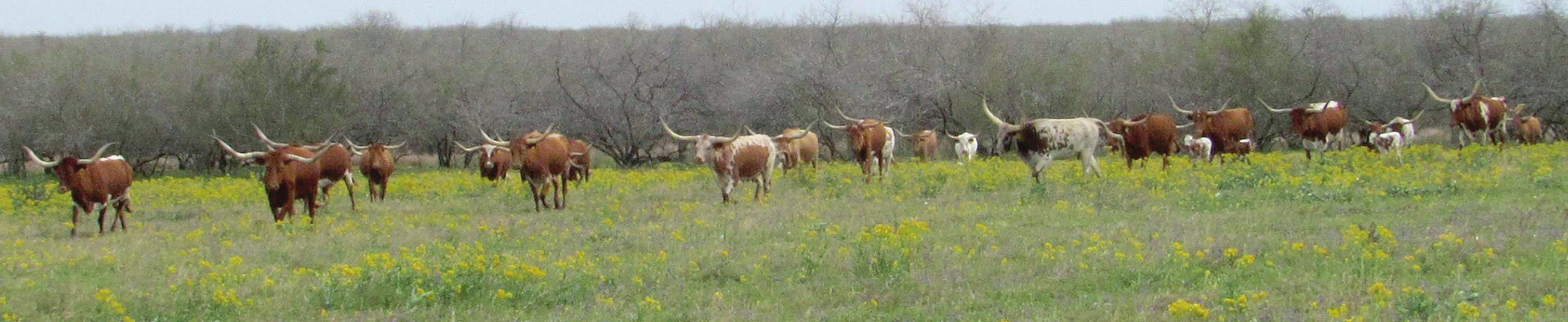
The sun rises and the smell of cowboy coffee and biscuits pierce the once still air, sending a fragrant alarm to the sleeping cowboys.
Men hastily dress, and mount their horses. The warm spring sunshine melts into their skin, as they take deep breaths, inhaling the salt and grass that permeate the air.
These are the historical sounds and smells embedded in Highway 18, between Chandler and Shawnee.
Before the national highway system was established, the road was called the Shawnee Trail.
Winding through Texas and Oklahoma, in a means to get to Missouri, the Shawnee Trail was a popular route used to transport and deliver longhorns from San Antonio, Texas, to markets for sale between the 1830s and 1860s.
When they began to transport and move cattle they changed the direction of the trek, to make a trail to make it to the railheads, according to the Oklahoma Historical Society.
As simple as this goal is, its undertaking was brutal.
In general, cattle drives would begin in spring transporting between 2,000 to 3,000 head of cattle with an average 12-man crew, 10 wranglers, a trailhead and most importantly a cook, according to Texas Almanac.
They would not travel as a group, but more in a long line covering roughly 10 to 15 miles a day. A cattle trail drive could last between 25 to 100 days depending on where the drive was trying to go.
In the 1840s, the longhorns were generally brought to Missouri, and after the gold rush the demand for them only continued to grow.
Even though the trail is referred to as the Shawnee Trail, no one knows exactly why it is named such, but the trail “did pass by a Shawnee village in north Texas and near the Shawnee Hills in Indian Territory,” according to the Oklahoma Historical Society.
From 1853 to 1855, the trail dealt with various amounts of upheaval. The Missouri legislature passed a law banning diseased animals, and in response drives avoided Missouri.
They took to, “staying on the eastern edge of Kansas territory,” according to the Oklahoma Historical society. Tension continued with the breakout of the civil war.
Those trying to travel the trail interacted with blockades, and in time, “virtually stopped traffic on the Shawnee Trail north of Indian Territory,” according to the Oklahoma Historical Society.
After the civil war ended, cattle markets in the east were more desired.
Texans would run their cattle over the Shawnee Trail, but, “Missourians frequently stopped the drovers because their longhorns carried Texas fever, which killed domestic cattle,” according to the Oklahoma Historical Society.
Today, you can see a monument featuring 70 longhorn steers and three trail riders in Pioneer Park, in Dallas, Texas. “The 70 steers and three trail riders were created by artist Robert Summers of Glen Rose, Texas”, according to The Library of Congress.
If you would like a more immersive experience, you can take a ride down Highway 18, but note that there are no signs indicative of the history that resides there according to Ken Landry with the Pottawatomie County Historical Society.
Spring has passed, but as you drive down Highway 18 let the sunshine melt into your skin and take a deep breath in inhaling the salt and grass that still linger all these years later.