
As its centennial approaches on Nov. 11, many travelers are taking to Route 66 to experience the history, roadside attractions and small towns that made the Mother Road an American icon.
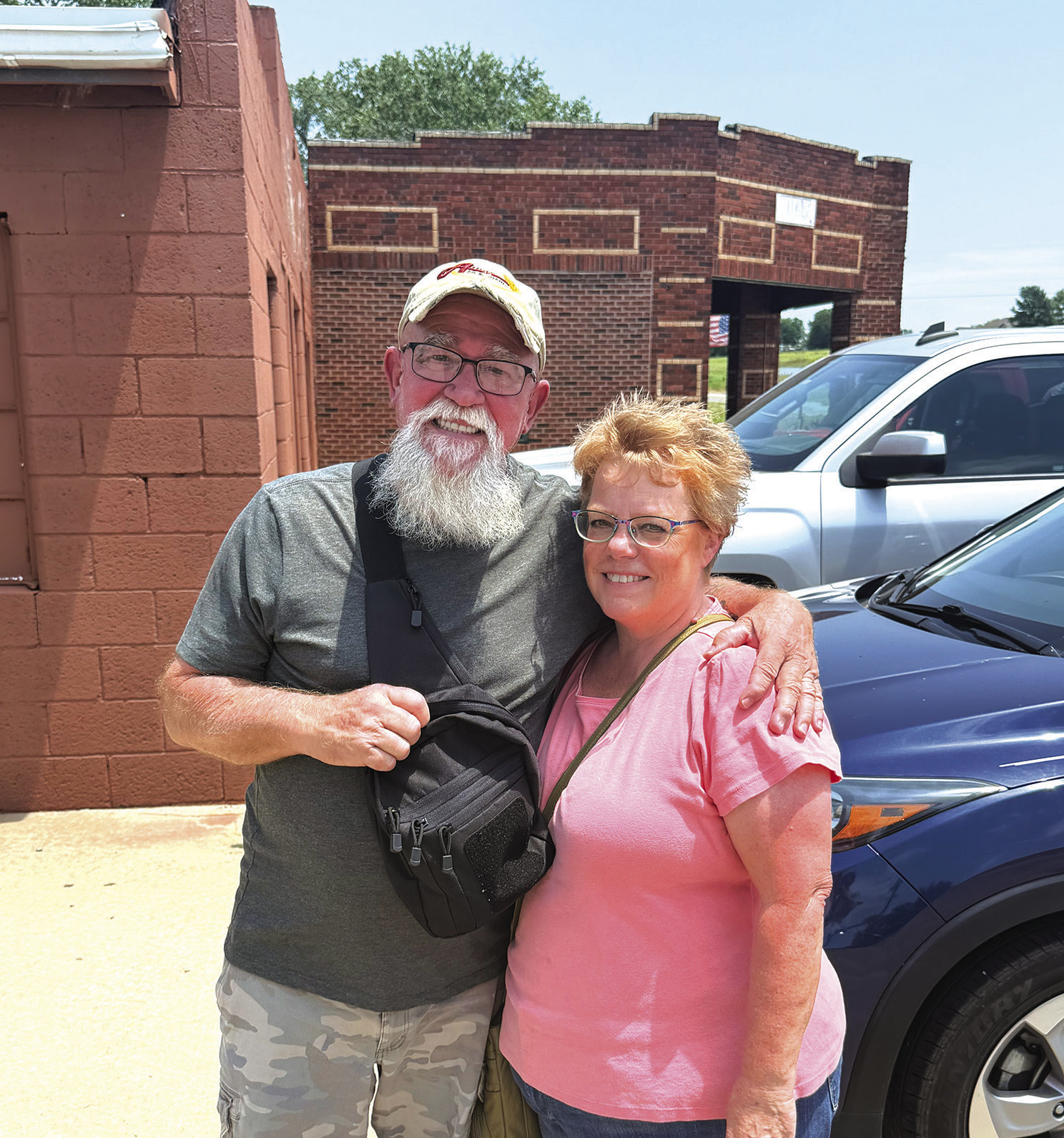
Ron and Jennifer Riley of Bartlesville were among them.ThecoupletraveledRoute66fromQuapawthrough Oklahoma for their anniversary, choosing the historic highway over the interstate.
“I grew up hearing about Route 66, so I always wanted to travel it,” Jennifer said.
The couple skipped Tulsa and stopped at Seaba Station Motorcycle Museum near Warwick, which they considered their favorite stop so far.
“We love the backroads. There’s just so much you miss when you take the interstates,” Jennifer said. Route 66 was designated Nov. 11, 1926, connecting communities between Chicago and Los Angeles. The interstate highway system gradually bypassed many of those towns, diverting the travelers who sustained roadside restaurants, motels and service stations. Interstate 40 replaced the final section of the highway in 1984, and Route 66 was officially decommissioned the following year.
Ron said one of the most rewarding parts of the trip was seeing the communities and businesses that survived despite being bypassed.
Today, Route 66 draws travelers whose reasons for making the trip range from nostalgia and an interest in small-town America to deeply personal missions.
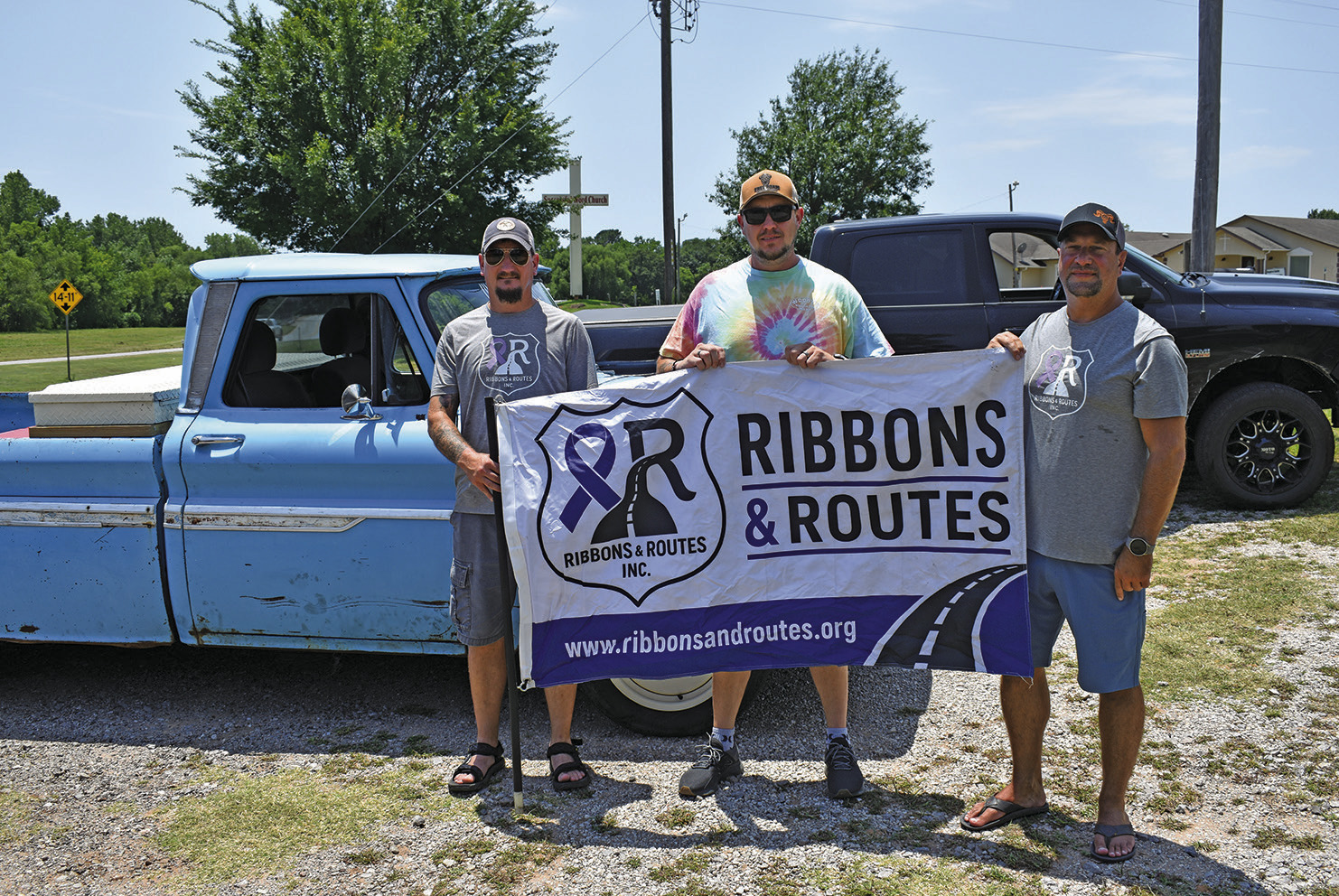
For the members of Ribbons & Routes, the journey stemmed from shared experiences with cancer and loss.
Chris “Toe” Comstock, David “Woody” Woodworth and Phillip “Phil” Scott, all from the Finger Lakes region of New York, were traveling Route 66 in three vehicles. Two of those belonged to lost loved ones. Comstock drove a 1994 Ford F-150 that belonged to his grandfather, who died from undiagnosed cancer shortly after buying it. Woodworth drove a 1966 Chevrolet C10 that he and his father began building but were unable to finish before his father died of cancer. Its LS-1 engine came from a truck given to him by an uncle who also later died of cancer. Scott followed in the group’s support vehicle.
“People like us, we’ve all gone through it. We’ve lost somebody really close to us,” Comstock said. “I have four people in my family right now with cancer, undergoing treatments.”
Founded in fall 2025, Ribbons & Routes uses mechanical and fabrication projects to honor loved ones while directly supporting people and families affected by cancer. The group provides gas and food gift cards to people traveling for treatment, helps connect families with assistance on unfinished projects and offers support to those who need someone outside their immediate family to speak with.
“Sometimes people just want to talk to somebody, a stranger, just to let them know that it will be OK,” Comstock said.
That mission led the group to Adrian, Texas, near the geographic midpoint of Route 66, where members installed a 7-foot-tall, 12-foot-wide cancer ribbon made from rebar as part of its Locks for the Lost initiative.
Travelers can attach locks bearing names and messages honoring loved ones lost to cancer, survivors and others affected by the disease. Each lock carries a person’s story, with the growing collection intended to connect those still living with the people they have lost.
Some visitors bring their own locks, while others purchase them at Dream Maker Station, the business where the memorial stands. The owners take no portion of the proceeds, allowing the full donation to benefit Ribbons & Routes.
The group had originally planned to install the ribbon during its summer road trip but decided it would lose months of exposure during Route 66’s centennial year. Members instead made a quick weekend drive from NewYork to Texas, secured the structure in concrete and returned home.
“People along the way were placing locks on it from start to finish before we even got it to where the final destination was,” Comstock said.
The group returned to Route 66 this summer to travel from Chicago to California, stopping at Seaba Station along the way. Members reached Needles, California, before making their final push toward Santa Monica on July 15.
“Nothing that we do goes to cancer research,” Scott said. “It goes to help the people affected directly.”
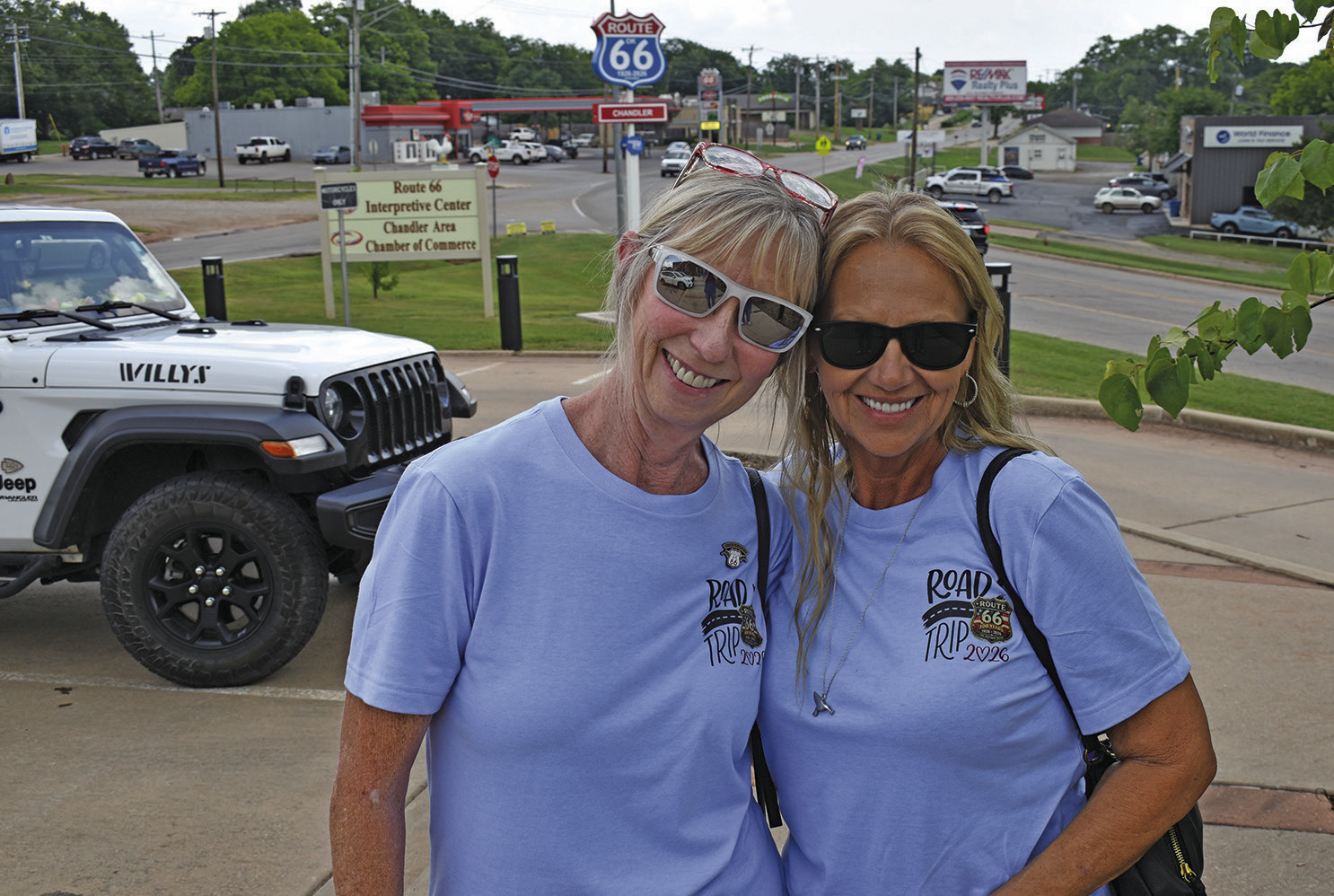
Other Route 66 journeys begin with just a simple plan to hit the road and go from there. For Gigi Bebus of Springfield, Missouri, the trip began with the goal of driving just 66 miles on Route 66 in Oklahoma.
Bebus came to Oklahoma to celebrate with her longtime friend Sherry Valentine of Tulsa. The women, whose birthdays are one day apart, have been friends since high school and make a point of celebrating together each year.
“One thing I want to do is at least travel 66milesonRoute66inOklahoma,”Bebus recalled telling Valentine.
Valentine took it a step further. “Let’s do the whole thing.”
The pair traveled from Quapaw to Texola, then began working their way back through stops they had passed. Along the way, they stayed at Lucille’s Roadhouse, visited the Blue Whale of Catoosa, POPS, the Chicken Shack, the giant push pin in Wellston and made it to theTexas state line.
“My favorite part of 66 is probably, with each stop that is open, the people inside who like to provide the history and tell you the story,” Valentine said.
Some stops they expected to be open were closed, but the detours forced them to improvise along the way.
“It was disappointing,” Valentine said. “But it got us some good shopping,” Bebus added.
By the time they reached Wellston, Bebus and Valentine had nearly completed Oklahoma’s entire stretch of Route 66, turning a 66-mile birthday idea into a trip across the state.
Route 66 has gone from one of the country’s most popular roads to near abandonment and now a renewed place in American travel. Nearly 100 years after its creation, it is still carrying travelers who come to celebrate, remember and see what remains along the historic highway.