
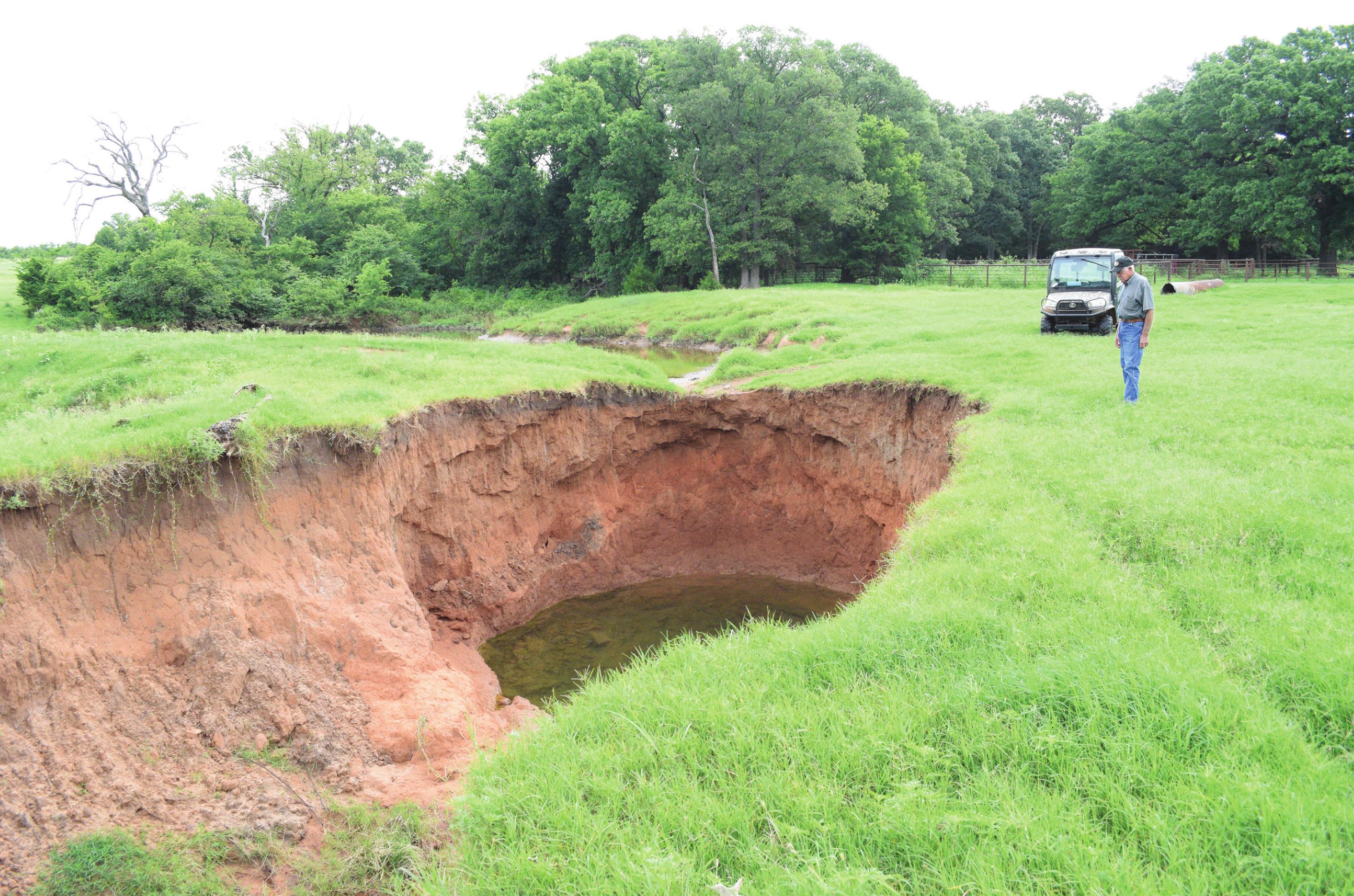
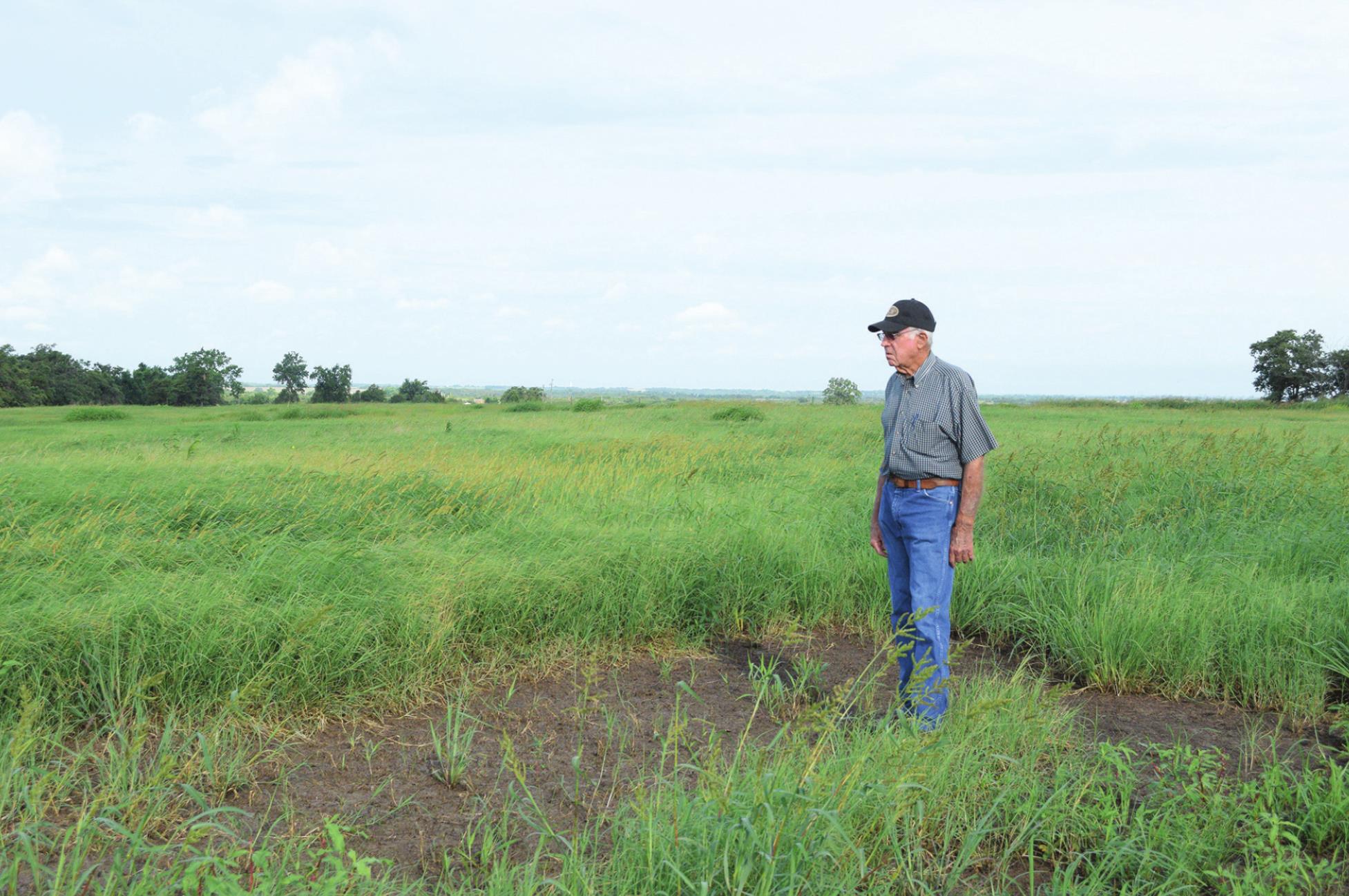
Rainfall has scarred an area of Hart Ranch’s hayfield.
Standing water—a result of the recent heavy rains— has killed off the bluegrass that had been growing there, replacing it with patches of bare earth that add up to an area a little larger than a school bus.
Like many area farmers and ranchers, Verlin Hart, manager of Hart Ranch, has been impacted by Lincoln County’s wet weather this Spring.
“It’s been quite interesting,” Hart said. “In some ways it’s been very positive. We’ve got the best grass we’ve had in years, because of the rainfall we’ve had.
“We have some problems with it, that we have some wet spots in the fields, like the hay meadows that we have to wait till they dry up or go around them. But actually the grass has been very good, very.”
Hay crops like Hart’s are a common feature in the region.
“The majority of Lincoln County is just basically cattle and forages,” Lincoln County OSU Extension Office ag. educator Cody Linker said. “If you get down toward the river, then you start seeing the row crops.”
For forage crops such as hay, the wet weather can be a blessing because it helps the plants grow, but too much moisture at the wrong time can harm the quality of the harvested crop.
“On the pasture grass, any time that that plant goes from the vegetative state to the reproductive state—as in putting on seed—the quality of hay diminishes,” Linker said.
The goal is to harvest during a time when the protein and other nutrient content in the hay is still high.
“Peak protein on most forages is anywhere from six to eight weeks, and then it starts to drop off,” Linker said. “So, basically you’ve got a short window before you start losing quality of hay.”
High protein content is important because the higher the protein content is in the hay, the less supplemental protein is needed.
For example, 10 percent protein meets the needs of a pregnant or milking cow, Linker said, but if the hay tests at five or six percent, then it has to be supplemented to make up for the missing protein amount.
“Your goal is to put up as high quality of hay as you can or buy as high quality of hay as you can, because that in turn saves you money on feed and the most money that you spend on your, on running cattle throughout the winter is on feed,” he said.
Putting up quality hay can become difficult if wet weather keeps farm equipment out of the fields for too long.
The sale price for the hay may also be affected if the quality of the hay drops, resulting in lower returns for farmers seeking to sell at a profit.
The total amount of financial impact the rain will have on area agricultural producers depends on whether they were able to get their first hay cutting in before the recent rain, whether they lost fertilizer due to it being washed away by rain, and other variables.
“On the positive side, it’s kept everything green and it kept our ponds full and our livestock has had green grass to eat,” Linker said.