
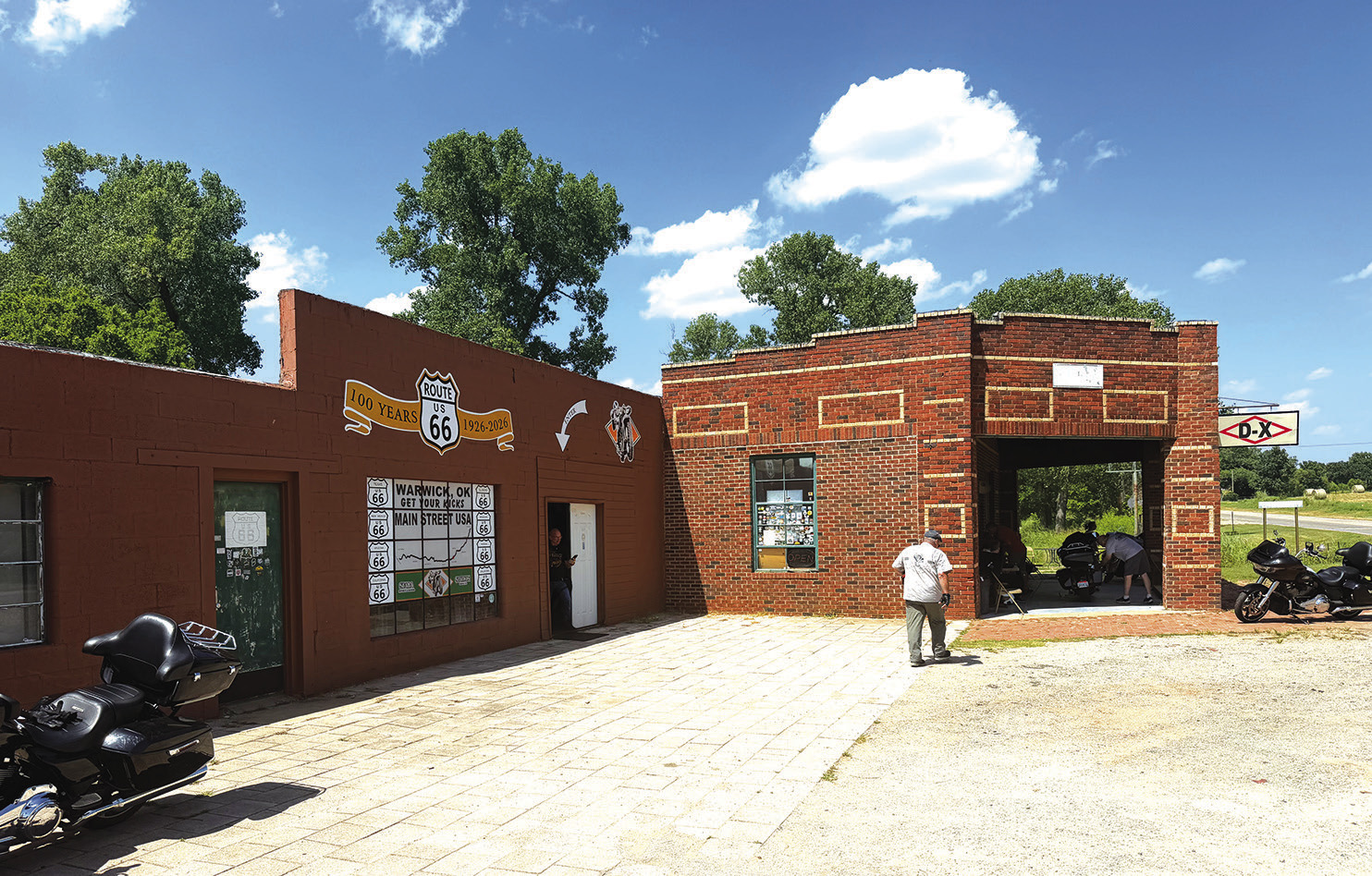
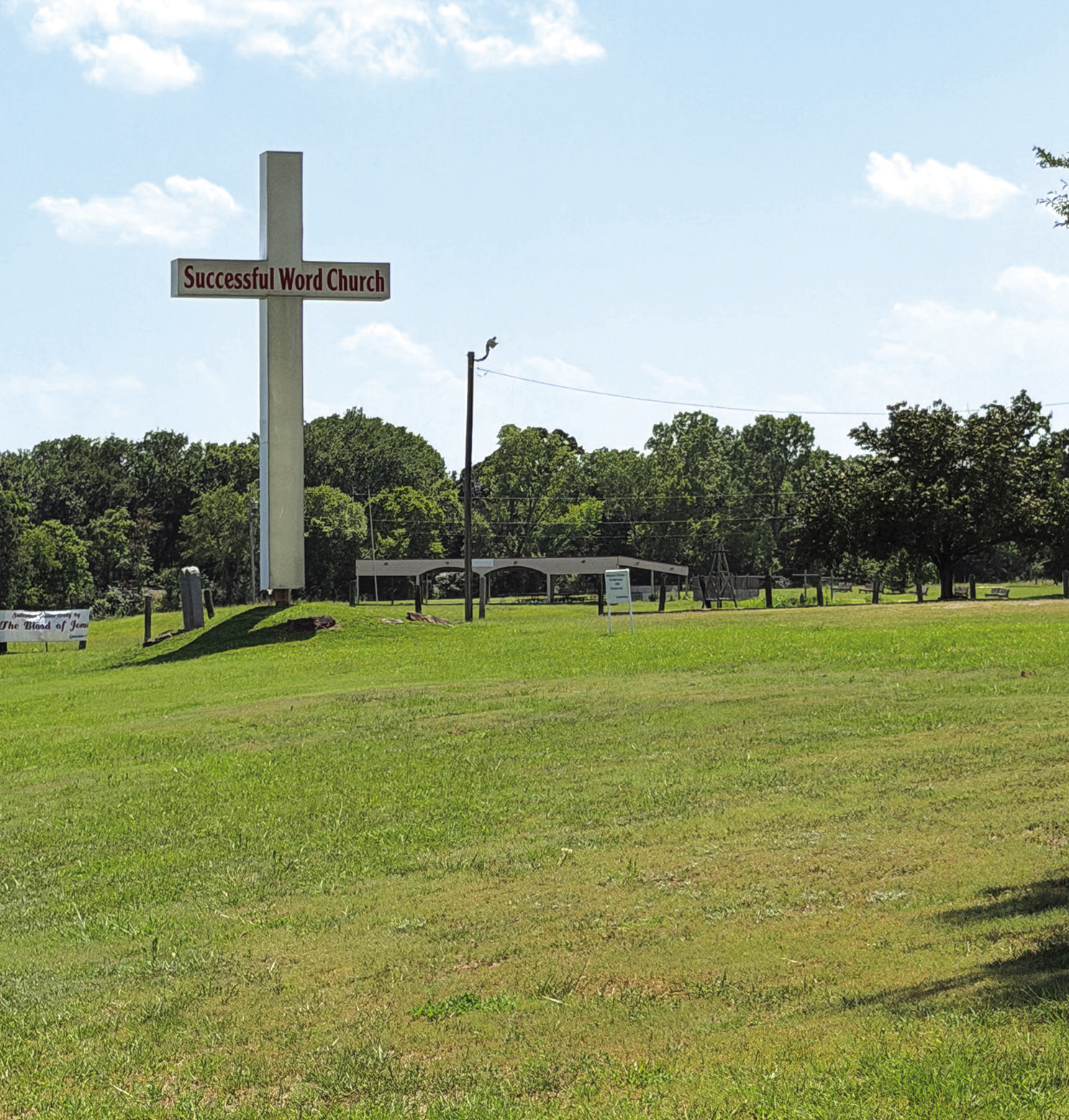
If you have spent much time on Route 66 in Lincoln County, you have probably driven the bend through Warwick, past the giant cross and historic Seaba Station Motorcycle Museum.
What many people may not realize is that another landmark sits just a few hundred feet down the road from the station, one that has held generations of Warwick memories.
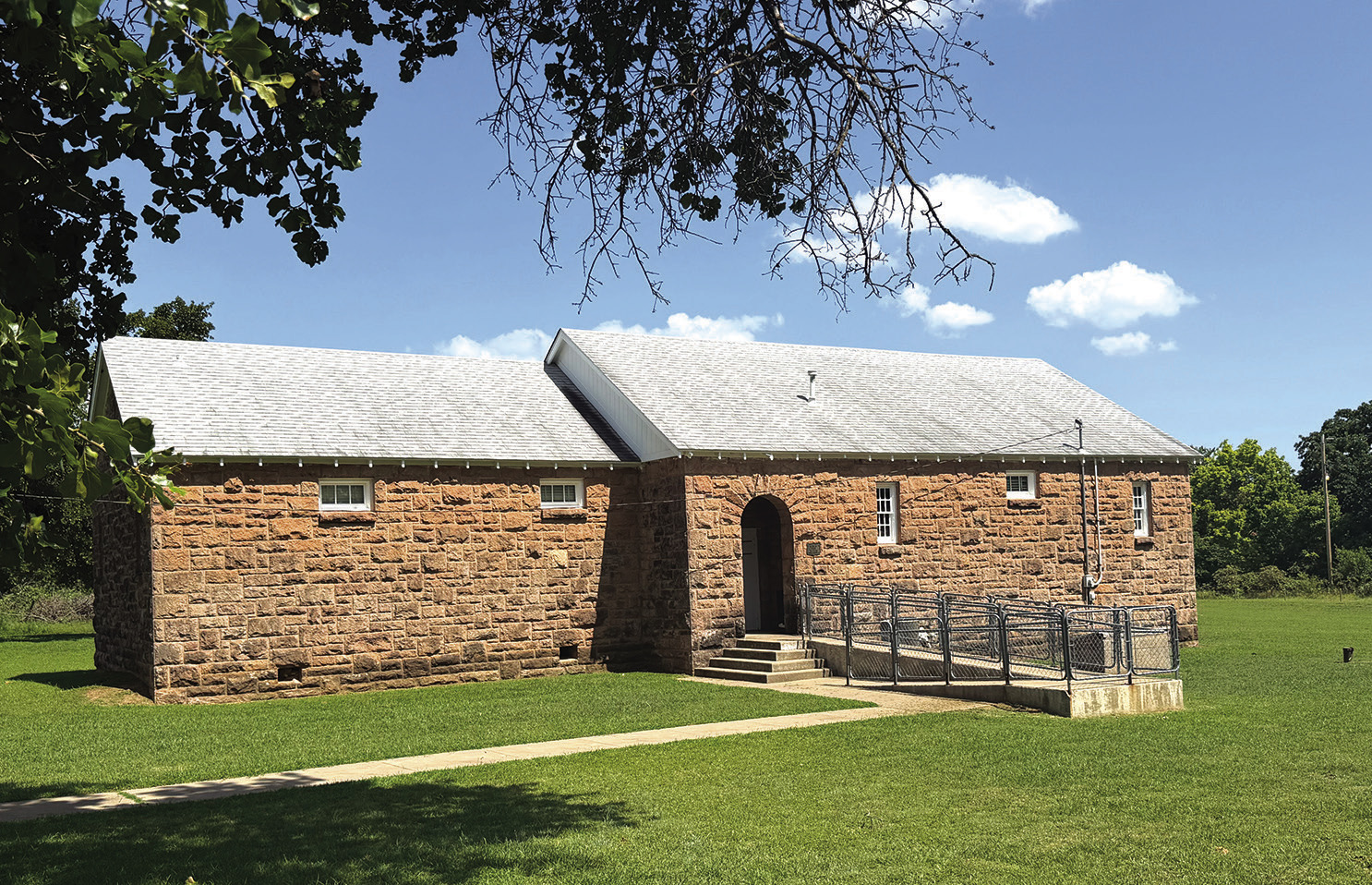
The oldWarwick schoolhouse sits on Commercial Street, actually the town’s main road, while Warwick’s actual Main Street sits one block north. According toThe Living New Deal, it was built by the Works Progress Administration in the 1940s, one of many WPA projects across the area.
The WPA built things to last. Many of its buildings still stand, including the Warwick schoolhouse and the former Chandler Armory, now home to the Route 66 Interpretive Center.
The schoolhouse is a small stone building with arched entrances, wood doors and a stone chimney. Longrowsofwood-framed windows still line the classrooms facing the grassy patch around the school.
Now Warwick’s town hall, meeting house and polling place, it was once a place where generations of children learned and played whilethetownaroundthem was a little busier than it is today.
Charles Brown remembers it that way.
Brown, who was born in Chandler and raised in Warwick, attended the tworoom school untilWarwick consolidated withWellston in the 1960s.
“Oh, I loved them,” Brown said of his school days. “It was a country school. It was just perfect. It was a small enough school that you weren’t overlooked and everybody was friends.”
Brown remembers Christmas plays, Thanksgiving plays, box suppers and after-school softball games that stretched across summer evenings.
Across Route 66, Brown remembersCheetum’sgrocery store, where residents bought Cokes, candy and groceries and caught up on what was going on in town.
“Everybody met there,” Brown said. “All the oldtimers would get there and talk about what they did.”
Most of the stories, he said, were about coon hunting, dogs and whatever else came up when people had time to sit around and visit.
“Just kind of getting together and swapping lies, I guess,” Brown said.
Before Cheetum’s, Brown said Warwick also had another store he remembered as Cherry Store, a larger business that sold cars but had closed by the time he was growing up. He estimated it closed in the mid- to late 1950s.
The railroads also played a role in Warwick’s earlier life. Brown said the Frisco and Fort Smith and Western railroads once crossed near town, and a depot stood near the river on the west end of Warwick. Even into the early 1960s, he remembered passenger trains stopping there from time to time.
“I can remember soldiers getting on out there,” Brown said. Eventually, Cheetum’s closed and the railroads that once brought people through Warwick faded from daily life.
“It’s just kind of a little community now,” Brown said. “The post office is gone. The school’s not there any longer. It’s gotten smaller.”
David Bouska moved to Warwick in 1999, long after the school, depot and grocery were operational.
He moved there after marrying his wife, who had lived in Warwick since the 1980s. Seaba Station had not opened yet, and Bouska later opened a small meatprocessing plant on Main Street.
By then, he said, Warwick was already quiet, but it still felt like a close community.
“The neighborhoods, you generally know who lives beside you left and right,” Bouska said.
If someone leaves for the weekend, he said, neighbors keep an eye on the house. If storms knock tree limbs into the yard of an older resident, someone nearby often comes over to help clear them.
“It’s still a lot of that home-style, look-aftereach-other,” Bouska said. More recently, Bouska said, older residents have begun passing town leadership on to the next generation, and his wife now serves asWarwick’s mayor. He also has noticed more young people moving into older homes in the area.
The sense of community still runs through the old schoolhouse, though in a different way than when Brown was a student. Bouska said the building is now rented for family reunions, wedding-related events and community activities, and it still serves as the area’s polling place. After funerals, it becomes a place where people bring meals for families.
For Brown, Warwick may be smaller than the place he remembers from childhood, but it is still home.
“It’s a good little town,” Brown said. “I’ve always had good memories of it, and I still like it. I’ll probably never move.”